2026-09-05 · Robert Kline
Maintaining Ductwork In Historic San Marco Homes
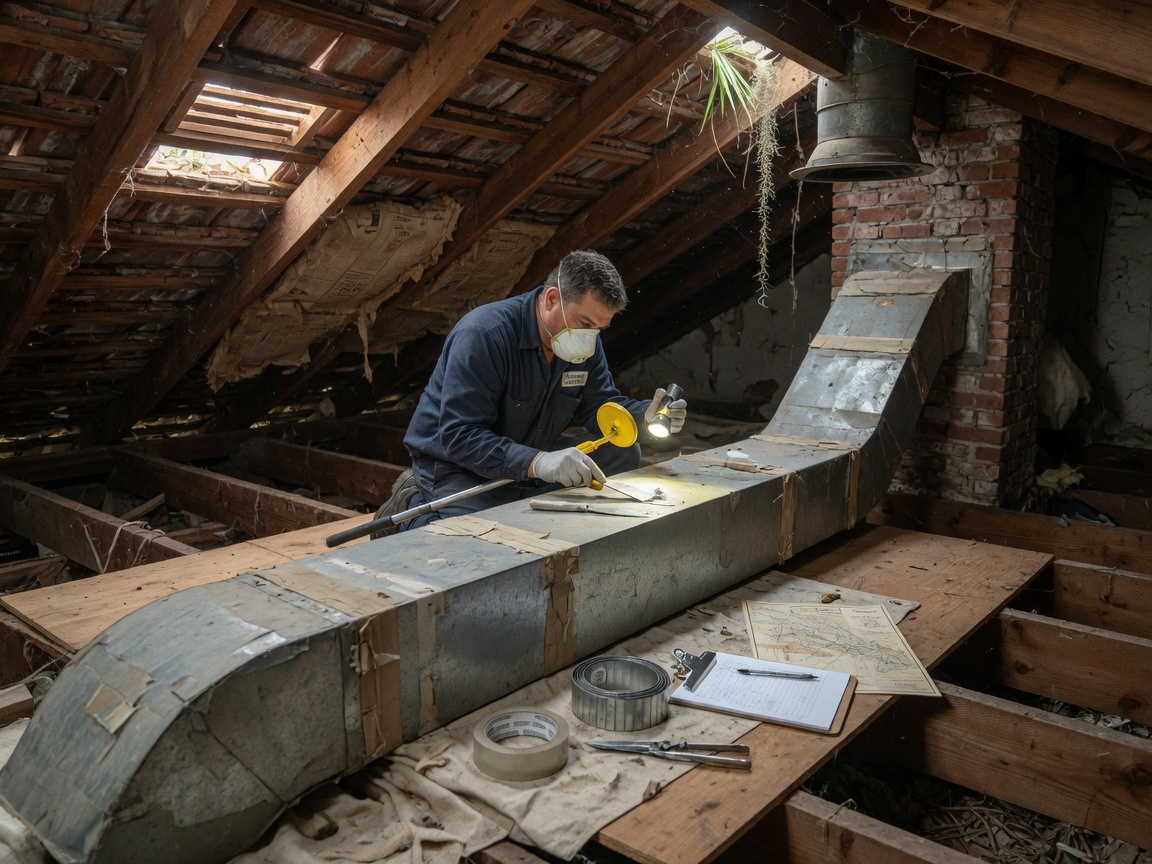
Maintaining ductwork in historic San Marco homes requires targeted inspections every 8–12 years due to original galvanized metal or early flex lines that degrade faster in Jacksonville's humid subtropical climate. Homes built before 1950 in this neighborhood often route ducts through unconditioned attics or crawlspaces exposed to St. Johns River moisture, leading to corrosion, gaps, and reduced airflow that raises energy use during hot summers.
Common Duct Issues in San Marco's Historic Homes
San Marco's early 20th-century housing stock features narrow chaseways and plaster ceilings that limit access to duct runs. Over decades, settling foundations in Duval County create misaligned joints where conditioned air leaks into attics. High summer humidity accelerates rust on metal seams, while mild winters allow condensation to form inside lines when indoor cooling runs. Homeowners notice uneven temperatures in upstairs rooms or higher utility bills when these leaks compound. Checking for visible sagging or disconnected sections during attic access reveals problems before they affect indoor air quality. Local terrain near the river increases soil moisture that can wick into crawlspace ducts, shortening lifespan compared to newer Arlington subdivisions.
Humidity and Seasonal Impacts on Duct Performance
Jacksonville's hot summers push relative humidity above 70 percent for weeks, forcing HVAC systems to run longer and pull more moisture through duct seams. In San Marco, this moisture combines with dust from original hardwood floors to create buildup that restricts airflow by 15–25 percent over time. Mild winters reduce heating demands but allow residual moisture to linger in uninsulated lines. Residents near the Cummer Museum or Riverside often see faster mold spotting on duct exteriors because river breezes carry additional airborne particles. Sealing joints with mastic and adding R-8 insulation sleeves counters these effects without altering historic interior finishes.
Inspection and Cleaning Steps for Older Systems
Start by mapping duct routes from the air handler through San Marco attics, noting any original round metal pipes versus later flex replacements. Use a flashlight to examine connections at each elbow for gaps wider than 1/8 inch. Schedule air duct cleaning when visible debris exceeds light surface dust, focusing on trunk lines that serve multiple rooms. Follow with HVAC maintenance that includes static pressure testing to confirm airflow stays within 0.5 inches water column. Replace damaged sections with new lined flex only where chase access allows, preserving plaster walls elsewhere. Document each step with photos for future reference during home renovations.
Preventing Long-Term Damage in Duval County Homes
Regular filter changes every 30–60 days reduce particulate load on San Marco duct interiors. Pair this with preventing mold growth inside ducts from local moisture by keeping indoor humidity below 55 percent through proper cooling cycles. When leaks appear near Kingsley Plantation-style properties or along San Marco Boulevard, prioritize managing high humidity levels with home cooling systems before full replacement. These steps extend duct life without invasive demolition and maintain comfort across Jacksonville's varied neighborhoods from Mandarin to Avondale.