2026-09-05 · Robert Kline
Running Heat Pumps Efficiently During Mild North Florida Winters
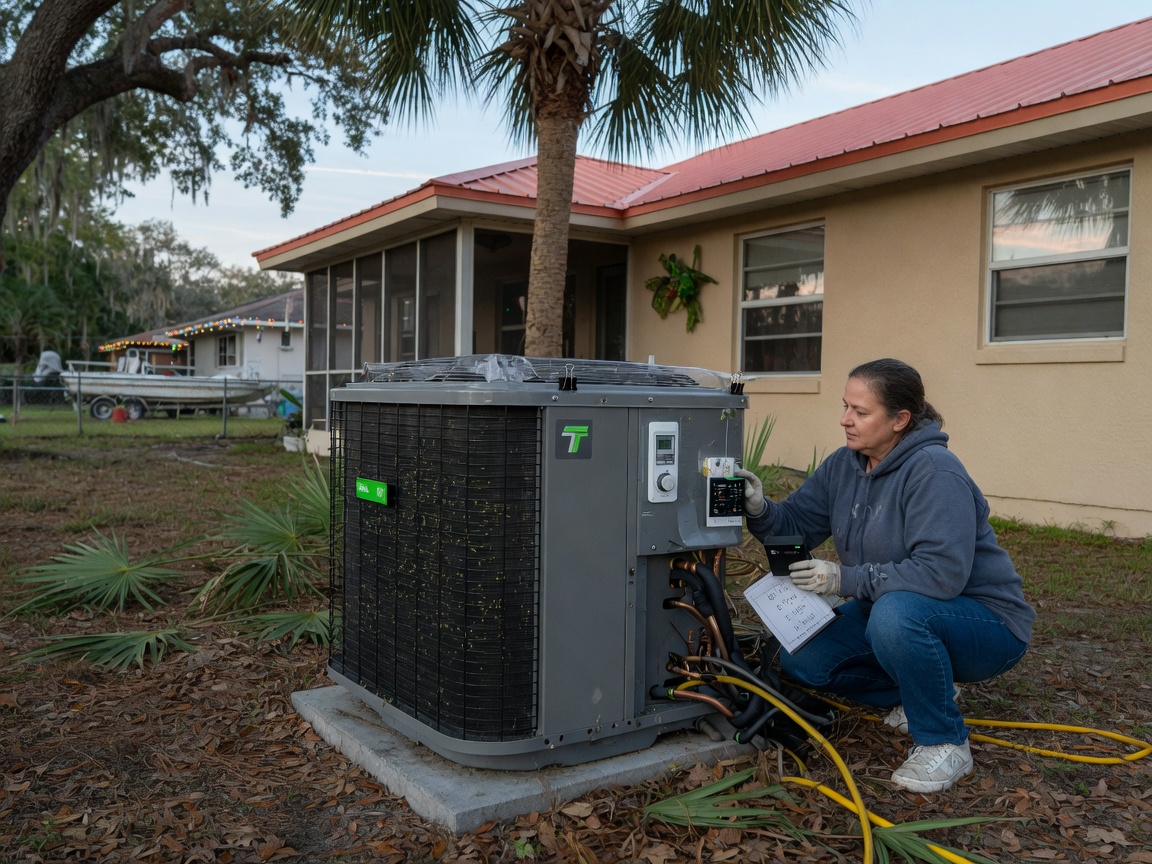
In Jacksonville winters, heat pumps achieve peak efficiency by holding indoor temperatures at 68–72°F and engaging auxiliary heat only below 40°F, which occurs on fewer than 20 nights most seasons across Duval County.
Matching Settings to Local Winter Patterns
Jacksonville's humid subtropical climate brings mild days and occasional cool snaps near the St. Johns River, so heat pumps rarely run long cycles. Homeowners in Riverside and Avondale see better performance when they avoid frequent adjustments that trigger short cycling in older frame houses common to those neighborhoods. Setting the system once in the morning and letting it hold steady prevents unnecessary energy use during the 50–65°F daytime range typical from December through February. Properties near Atlantic Beach and Neptune Beach also benefit from slightly lower evening setbacks because coastal air retains more moisture that affects coil performance.
Addressing Humidity Effects on Heat Pump Operation
High winter humidity in Mandarin and Springfield forces heat pumps to run dehumidification cycles even when outdoor temperatures stay above 45°F. This extra runtime improves comfort but raises electricity use unless filters stay clean and coils receive annual attention. Residents along the river often notice condensate drain clogs faster due to pollen and oak debris, which reduces efficiency if left unchecked. Linking humidity management to cooling habits learned in summer helps maintain steady performance without overworking the compressor during the short heating season.
Maintenance Steps That Protect Efficiency
Schedule HVAC maintenance before December to check reversing valves and defrost sensors that activate more often in Jacksonville's variable conditions. Clean or replace filters every 30–45 days during pollen peaks, and verify outdoor units sit level on pads to avoid drainage issues near saturated soils in Arlington. In Springfield's older homes, technicians often find restricted airflow from undersized returns that lengthen run times. Prompt heat pump repair for any defrost failures keeps supplemental heat from engaging unnecessarily and preserves the 8–12 year lifespan expected in this climate.
Thermostat Strategies for Temperature Swings
Mild winters still produce 15–20°F daily swings between afternoon highs and overnight lows, so programmable thermostats prevent wasteful recovery periods. Learn more in Setting Up Thermostats For Frequent Temperature Swings. Place sensors away from south-facing windows in San Marco homes to avoid false readings from solar gain. Avoid raising the setpoint more than 2°F at a time, which forces longer compressor runs and higher energy draw in the humid air typical of Downtown Jacksonville.
Practical Habits for Consistent Performance
Keep supply vents open in unused rooms of Avondale bungalows to maintain even pressure across the system. Monitor for ice buildup on outdoor coils after rare hard freezes, clearing it manually rather than letting the unit labor through multiple defrost cycles. Pair these steps with insights from Managing High Humidity Levels With Home Cooling Systems to carry summer dehumidification lessons into winter operation. Owners who follow this approach report steady efficiency without extra costs during the short heating window in Duval County.